

improv yes and business

How to Measure “Soft Skills” in Improv Training: Increased Confidence

Building Boldness with Improv


Let’s say your goal is to increase your team’s confidence, so you book them for some training. After the training, how do you know they’re now more confident? The obvious answer would be, well, are they acting more confident? So let’s define what that means.

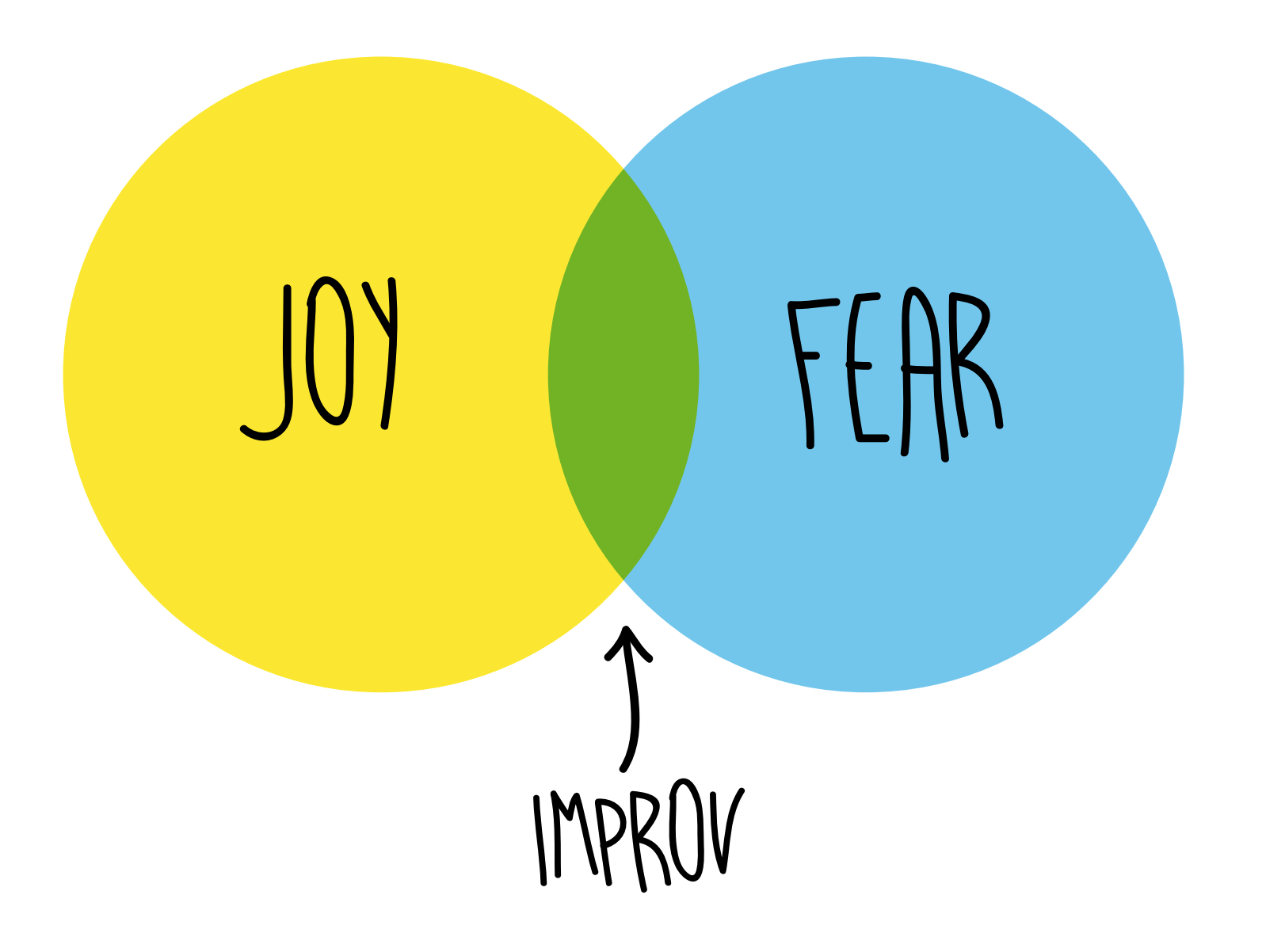
It’s most likely not going to be a complete transformation. Like, if they never used to speak up in meetings at all, I doubt they’ll suddenly present their ideas through interpretive song and dance. Think of behavioural change more in terms of a sliding scale. And you can gauge an increase in confidence by having one simple measurement to compare against: Fear.


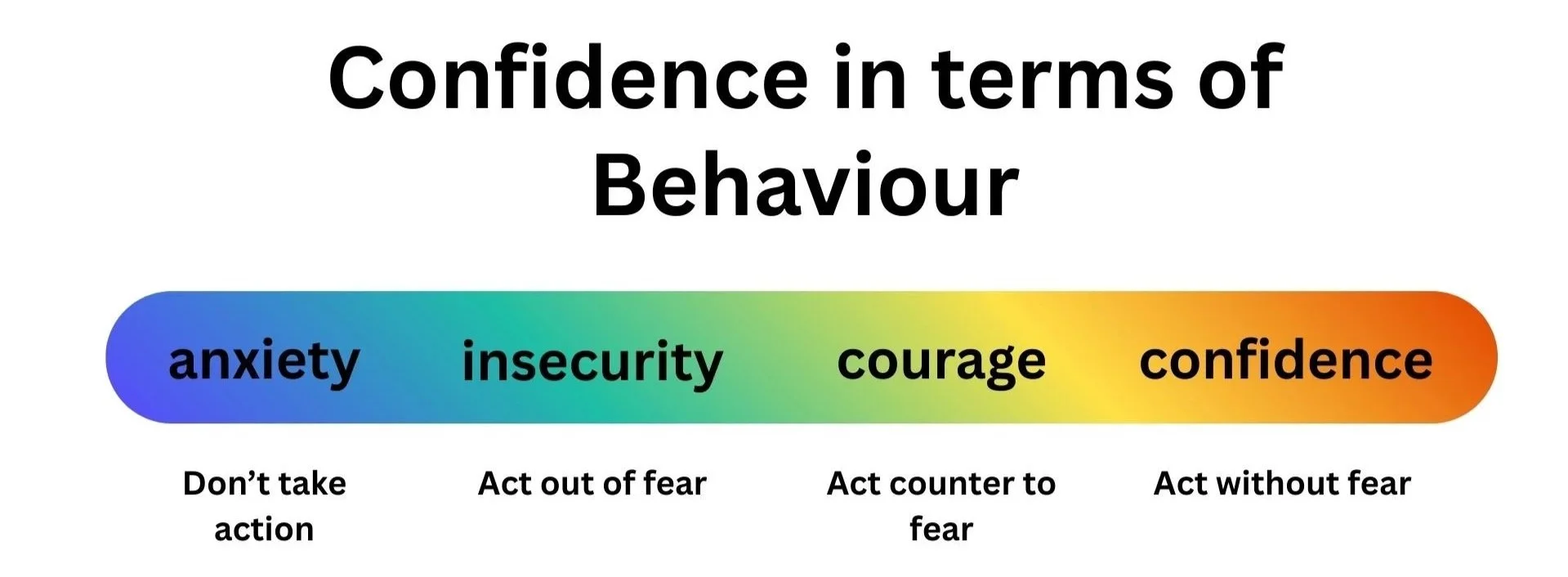
On one end of the scale, you have anxiety (stress, burnout, overwhelm) and on the other end we have confidence (with a couple stops along the way).

improv training confidence success scale

So, to measure the success of the workshop, you need to know where you’re starting from. How scared are they to do things right now, and how much less scared are they to do those things after the workshop? The goal being to slide up the scale.

When it comes to “acting” more confident, here’s an example of how their actions could look along The Confidence Scale™:

improv confidence building training

Again, it’s a sliding scale. Sometimes they might act courageous, but under pressure switch to panic and yell, or shut down completely. No judgement, we all feel it. Improv For Confidence™ workshops are just about sliding a little further on the scale (not judging people for where they are now).

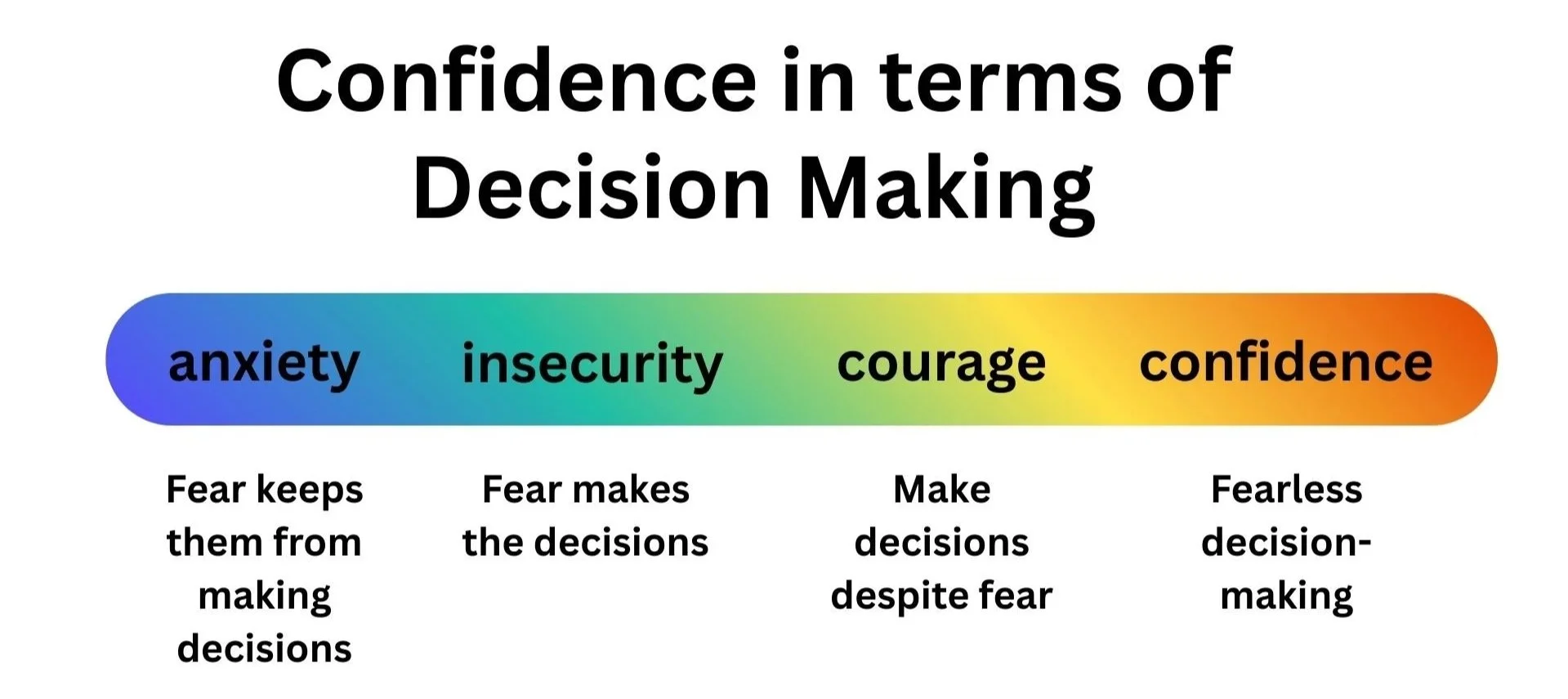
Here’s an example of how to gauge their current confidence when it comes to a key leadership skill:

Unfortunately, many people get stuck at the insecurity stage, and make fear-based decisions (what they think the client would want, what they think would stay within budget, what would be safest, least likely to get them in trouble, etc.) but try to make themselves and others believe they’re confident.


This might not be the most scientific as far as a direct measuring tool, but you can often tell when decisions are made out of fear/insecurity and when they’re courageous/confident. And while fear can help motivate a decision, it’s not always the best one.

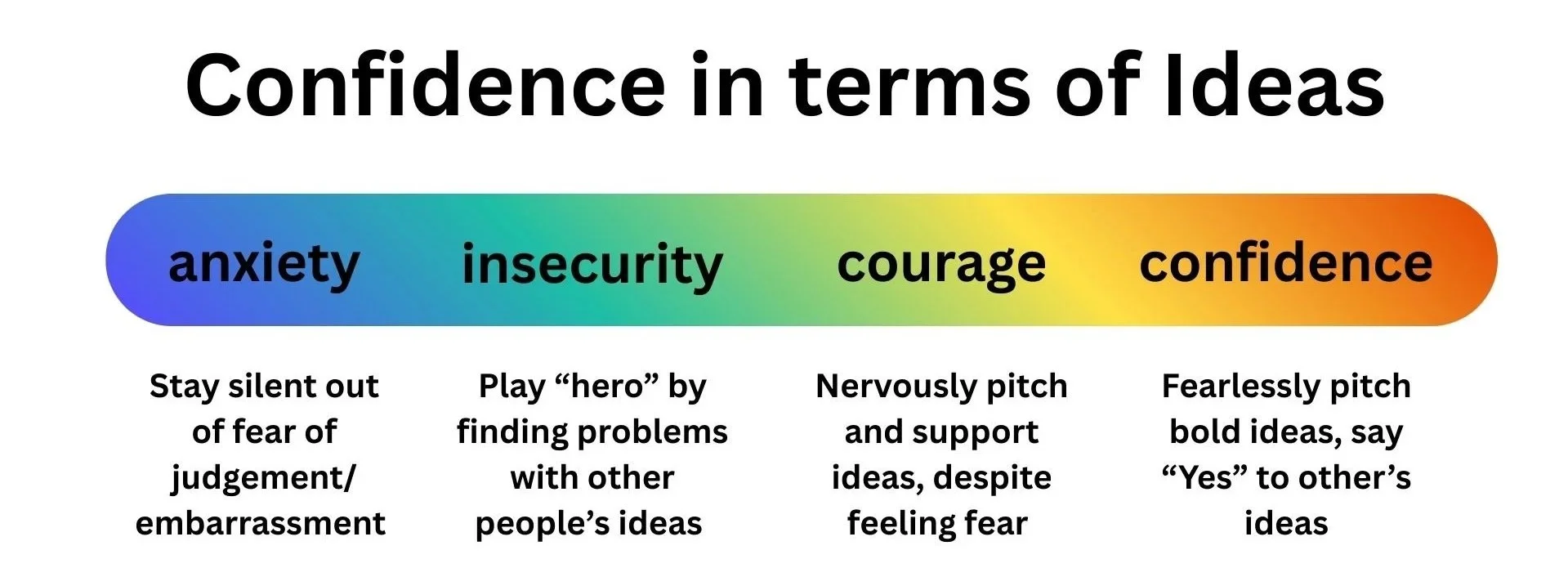
What to look for during the next brainstorming session:

improv confidence team building training creativity

You’ll know there’s an increase in confidence by the amount of “Yeses” versus “No’s.” The voice of reason, devil’s advocate, whatever you want to call it, is in reality, just fear talking. You want people with the courage to explore ideas, not shoot them down before they start.


In short, here’s how you measure success when training the “soft skill” of confidence.

  1. Get a sense of where they are now on The Confidence Scale™.

  2. Do an Improv For Confidence™ workshop (or a few).

  3. Mark where they are after.

Our goal is to move them further along the scale. To change their belief in themselves, so they call the shots more than letting fear lead the way.

Improv will help you build a more confident team. Which, as you already suspect (enough to be looking into confidence training), and will soon see, is definitely a good thing.

100 Ways to Play at Work #24: Personalise Your Handshake

improv team building exercises games activities

If it’s your first time meeting someone, probably keep it formal. You’ve got your standard handshake, or fist bump, or slap into slide into snap. But if it’s someone you’re excited to see again, it’s time to celebrate with some complicated full body greetings gymnastics. A movement that you two create together, that is just for you. Hip bumps, spins, lifts, make it impressive enough that other people in the group will be so impressed they won’t mind waiting it out each time you two see each other.


Who’s your handshake buddy?

____

This series was inspired by people asking me “How do I keep doing improv?” after a corporate improv workshop. There are, of course, improv classes, more workshops, team building exercises you can do with your group, but these games are specifically ones you can do on your own to practice “Yes and” and get into a state of play.

“Yes, and” and How the Toronto Blue Jays are Redefining Success

improv team building activities toronto

The Toronto Blue Jays lost the 2025 World Series. But did they? Yes. But did they, really? Unfortunately, yes. Based on the numbers.


But also based on the numbers, I bet there were more people cheering for the Jays than for the Dodgers. Sure, that’s just opinion without any evidence, but that’s all the rage right now, so I’ll just move forward as though that’s fact. I think it’s because the Blue Jays were the better “team.”


There’s a research study that got kids to take a test, with one half of the kids being celebrated for correct answers, the others were celebrate for their effort. They were given a second test, much harder than the first. The kids who were praised for success struggled more and gave up quicker. The kids who were praised for effort, didn’t give up and stuck with the harder test longer.


My point is, the games the Dodgers were losing, they looked all sullen and put off by the fact that they weren’t just automatically winning. The games the Jays were losing, they still kept each other’s spirits high. There was still a wanting to keep trying, a joy of being together, and enjoyment of being the moment.


The Jays love baseball and being a team. The Dodgers love winning.

In improv, winning is about supporting each other. “Yes, and” is an agreement to think collaboratively, and build on each other’s ideas. It’s not about one person’s ego, but what’s best for team as a whole.

In sports, it’s taught that winning is the only measurement of success. In life, I like to think we can all learn from the Jays.


The Dodgers won the World Series. The Jays won the hearts of everyone who watches baseball. They clearly love the game and love each other. Losing sucks. But getting to play a game for a living, with your friends, with the world cheering you on sounds like winning to me.

“A gold medal is a wonderful thing. But if you’re not enough without it, you’ll never be enough with it.”

– John Candy’s character in Cool Runnings

Improv for Anxiety for Business: What if my staff is terrified of an improv workshop?

A lot of times when I’m working with a company to plan their improv workshop, it’ll be brought up that amidst all the excitement and buzz for the event, there’s also a fair amount of trepidation. Meaning, some of their coworkers/staff have come up to them and said, “Do I have to do the improv?” “Will we have to go on stage?” “What if I’m not funny?” All the fun stuff our brains think about.


So they ask me, do you know how to handle a workshop when some (or most) of the people are terrified and don’t want to be there? And I’ll say, honestly, that’s my specialty!


I go into corporate workshops almost the same way I go in to teach an improv for anxiety class. Knowing that there’s a mix excitement and nervous energy. And quickly explain that improv isn’t about being individually funny or showing off, it’s about connection and collaboration, and building ideas together without judgement. In other words, goal #1 is to create a safe space.


For any adult, the idea of “being silly” can be scary. Most of us have been told off for “goofing around” since we were kids. Parents, teaches, managers all telling us to be more serious. Add to that the fact that during the workshop you’re still technically “at work” and depending on who participates, you might be acting goofy in front of your boss(es).


But there’s no reason we can’t do our jobs seriously AND also enjoy them. We can be talking to coworkers about an important project, and yet still enjoy the conversation. Humans instinctively want to play and connect and enjoy life, it’s just been a while since we felt “allowed.”


Improv is as a place where you’re allowed to have fun. And to put everyone at ease, no, I’m not gonna start the workshop with “Whose Line Is It Anyway?” style scenework, where two people have to be funny while everyone else watches. Sure, I could probably find two volunteers willing to do it, but I can tell you the anticipation/dread from the people “waiting their turn” won’t be fun. As much as improv is about stretching comfort zones, it ain’t about breaking them.


Think of improv as a series games and exercises designed to get people playing together like kids used to during recess. Moving around and being silly, connecting with your inner child, your free to be creative side, your state of play.


Because yes, an improv workshop is going to help everyone think faster on their feet, adapt to change, listen and communicate more effectively, feel more confident, and all that good stuff, but one of the main keys is that you’re laughing while learning. So it’s important that they’re having fun. Because it’s easier to play and laugh when you’re not so scared.