#1 Stress less
A popular resolution these days. Because, let’s be honest, the world is messed up. And I mean messed up. Like, don’t even get me started on… wait, what were we talking about? Oh, improv.
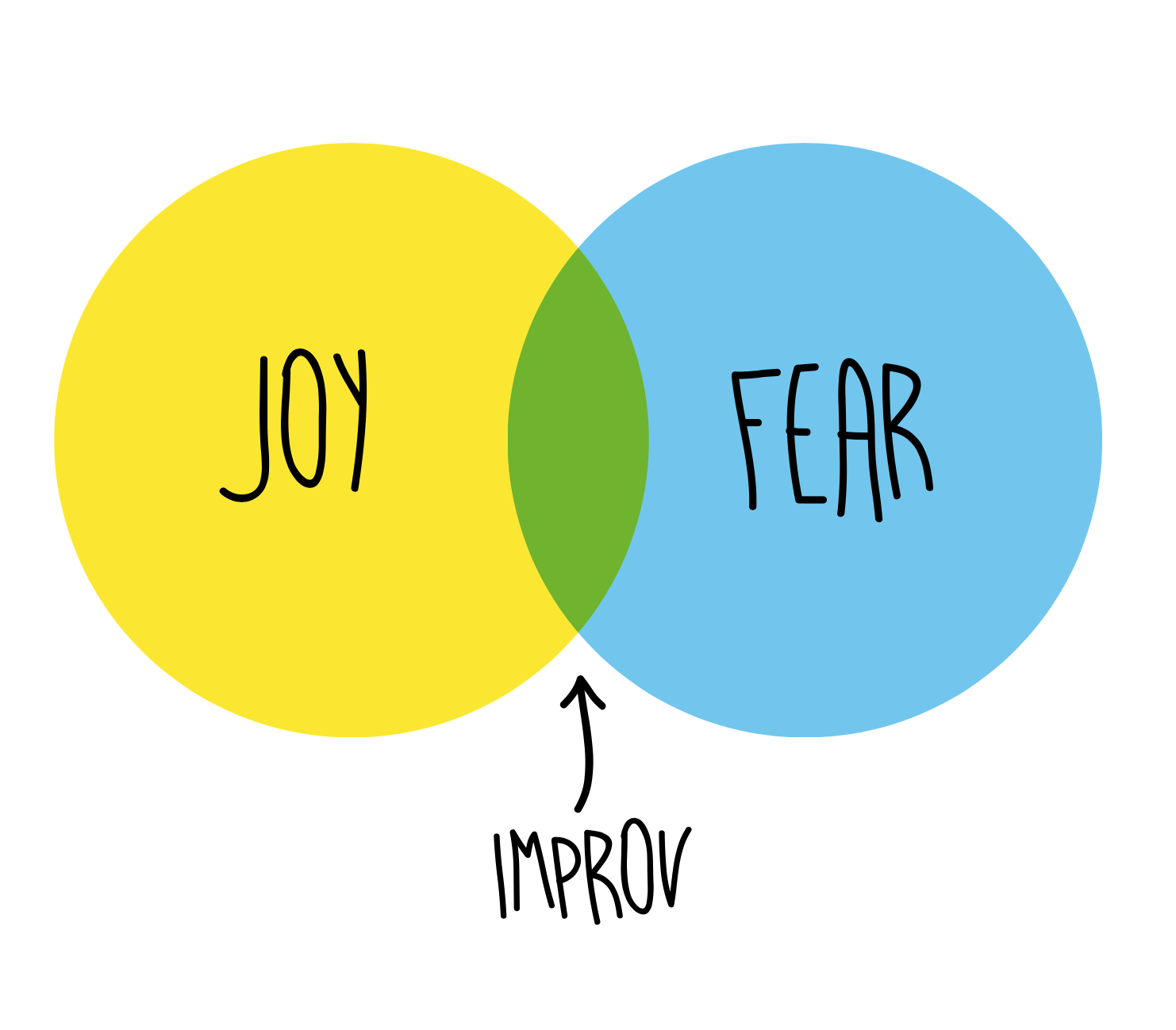
While improv might not be able to “fix” the world, it can help reduce stress with movement, creativity, and laughter, and build stress resilience by practicing different ways to respond to things. Also, it’s fun. And it’s nice to have fun.
#2 Be less anxious
This one’s quite personal to me, it was my #1 resolution for over a decade straight. Anxiety kept me from enjoying life. Hell, it kept me from participating in life. I don’t need to go into how much anxiety sucks, you get it. Let’s move to the helpful part.
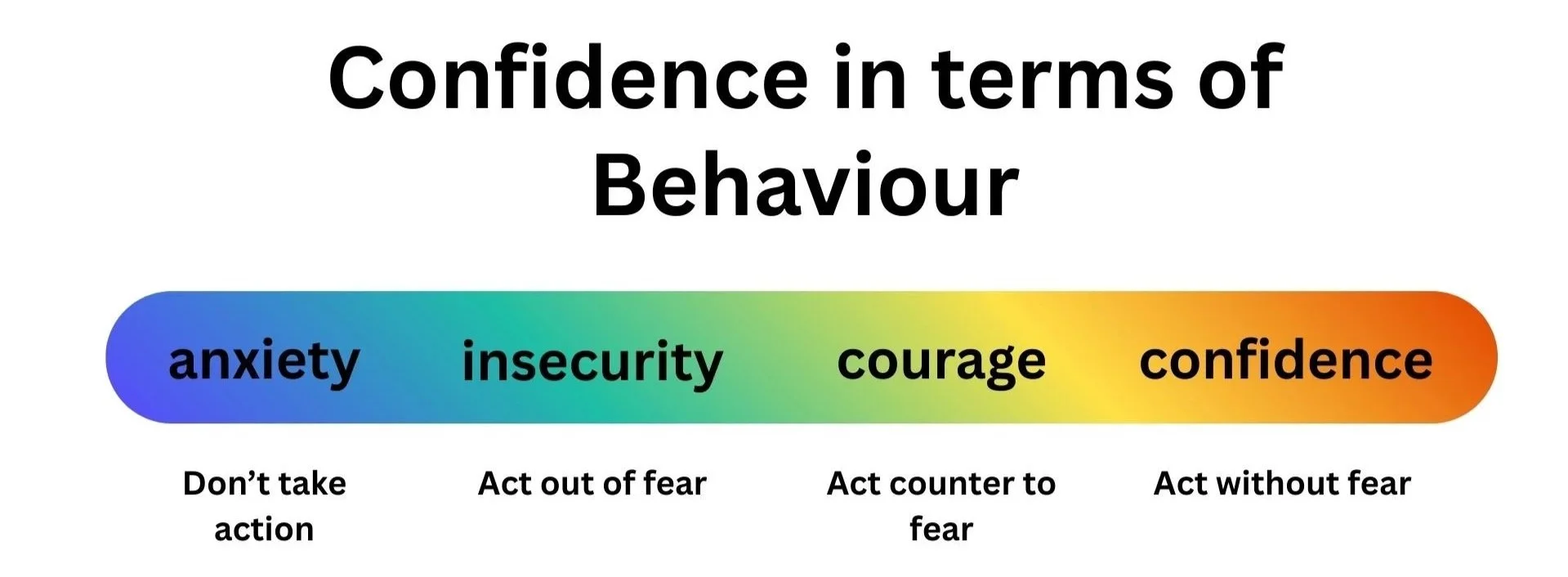
Improv can lessen anxiety by building a safe space to play and feel joy. And can increase confidence knowing you can handle the unexpected.
#3 Get better at public speaking
Being able to present yourself in front of others is a big part of today’s work world. And friend world. And dating world. It’s just a good all ‘round skill.
With improv, it’s not about learning how to speak “perfectly,” but learning to mess up royally, recover with ease, and continue with confidence.
#4 Be more confident
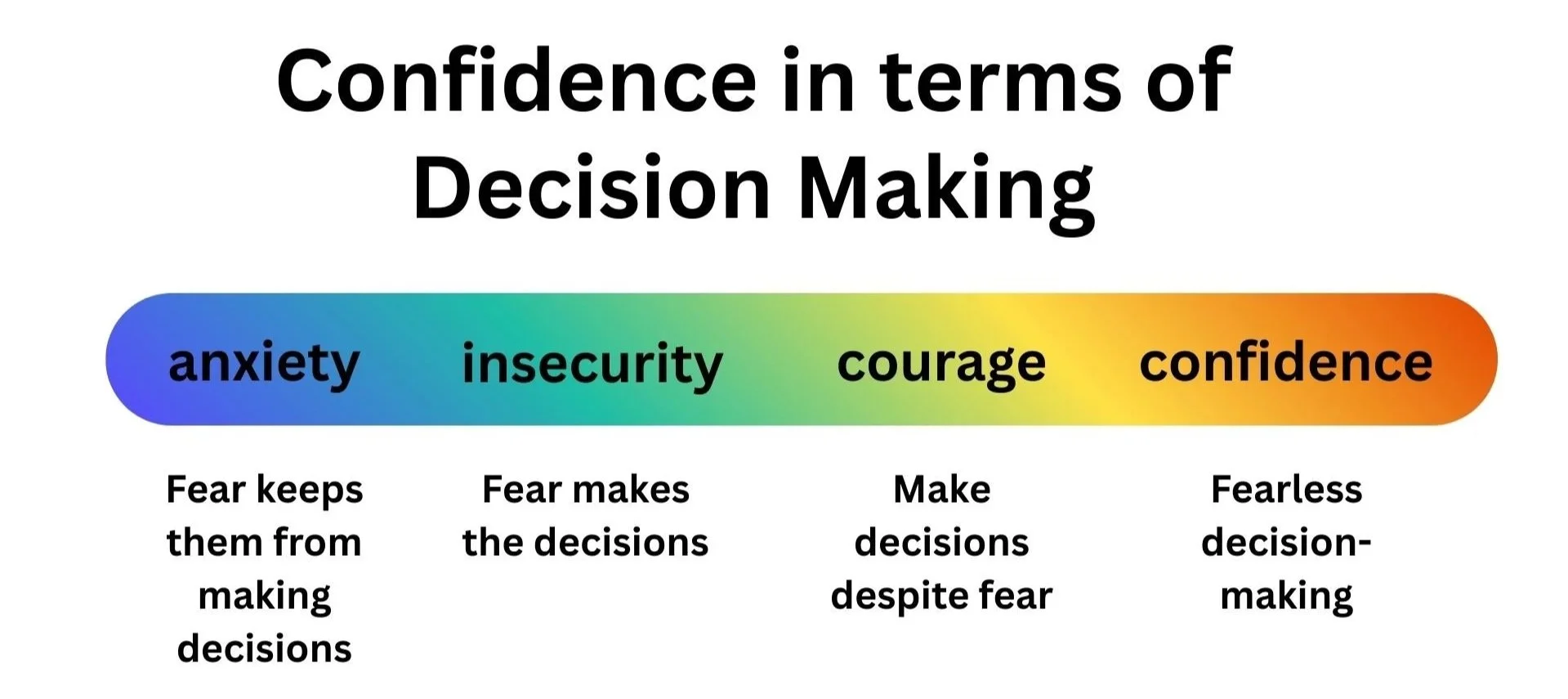
Wanna be one of those super confident people strutting around knowing that whatever the world throws their way, things will turn out okay? I mean, the strutting part is optional, but with improv, you get to practice making bold choices, playing confident “characters,” and learning to think on your feet with such aplomb that you’ll never seem thrown off.
#5 Be more creative
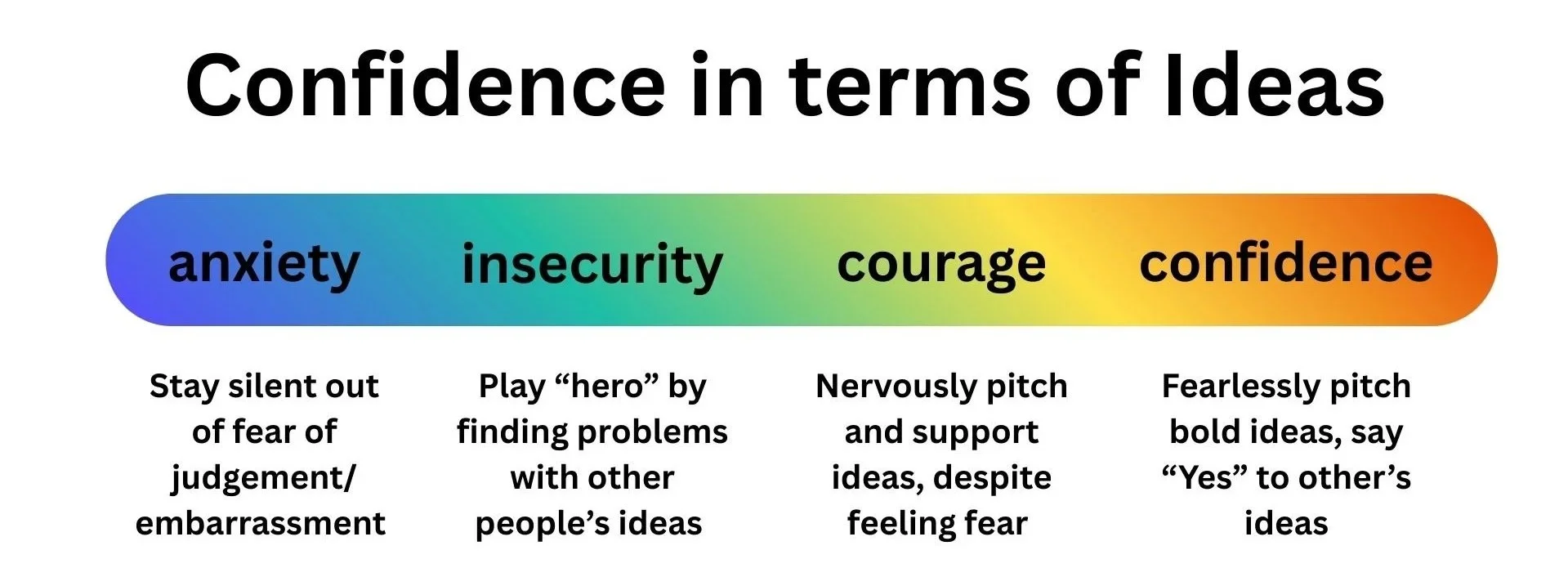
Remember when, as kids, we could just slap paint on a piece of paper with our hands and call it art? Then remember when we learned to judge ourselves and others and find flaws in everything? Now’s your chance to unlearn all of that judgement, and give over to the wonderful world of “Yes, and!”
Bonus #6 Spend less time on social media
There isn’t really a specific improv workshop for this, but improv takes place not on a phone with other humans who are also not on their phones. Sounds scary, I know, but you’ll be having too much fun to notice.
Start the year strong with improv!