#1: They don’t want to look stupid.
Most team building exercises are designed to be fun. Which sounds great to the person booking, and potentially terrifying to the people expected to have this so called “fun.” Fun sounds silly, and they don’t want to look silly. It’s embarrassing to act like a kid when you’re not a kid (especially in front of coworkers).
You see, adults not only forget how to have fun, they’ve been trained that fun is bad. Having fun means you’re not working. And you’re supposed to be working! So even if the boss says it’s okay to play, it takes time to get people feeling safe enough to be silly.
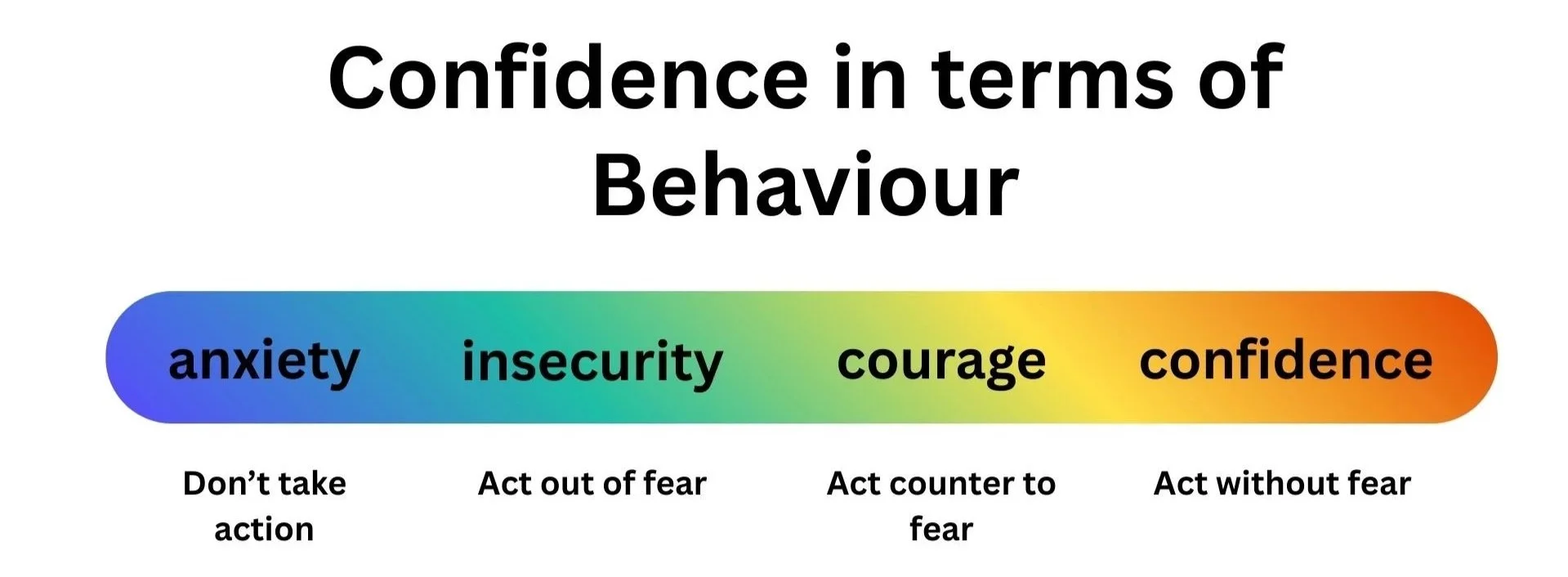
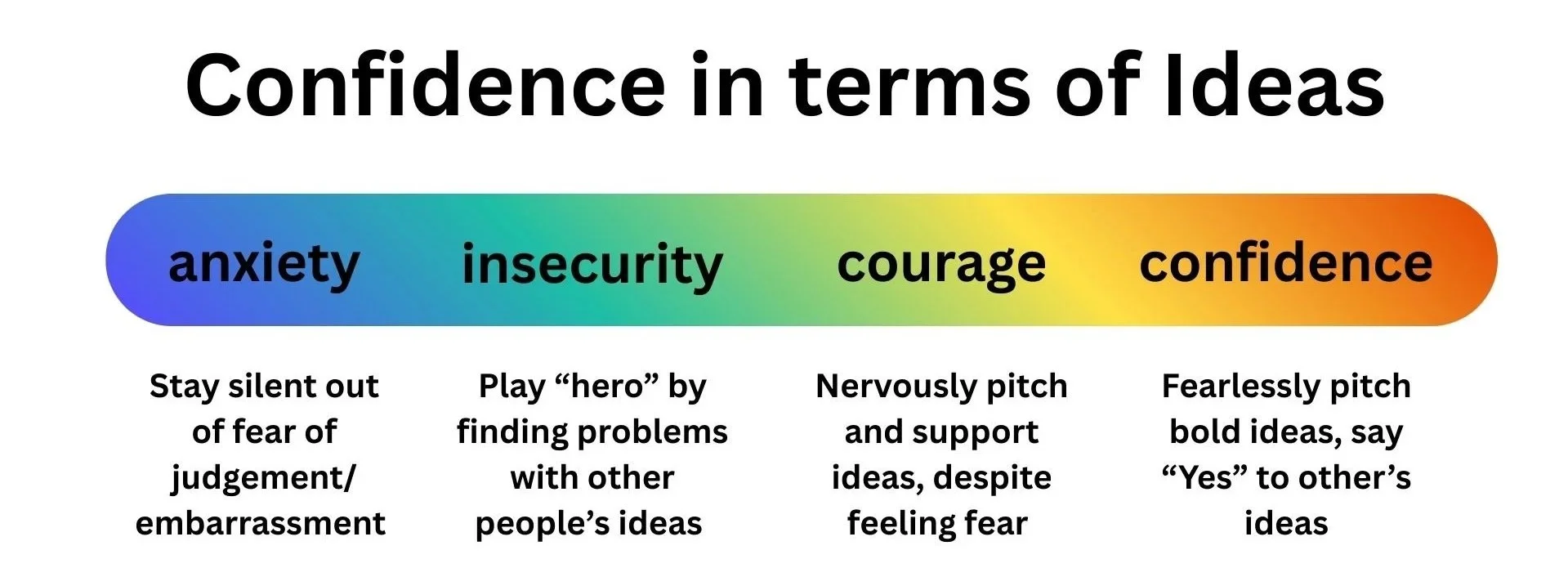
Mainly because, they don’t want to fail. That’s the real “What if I look stupid?” “What if I try something new and I’m not good at it and I fail and everyone thinks I suck?” Most people are terrified of failure. Which is why a lot of team building events are built around alcoholic drinks.
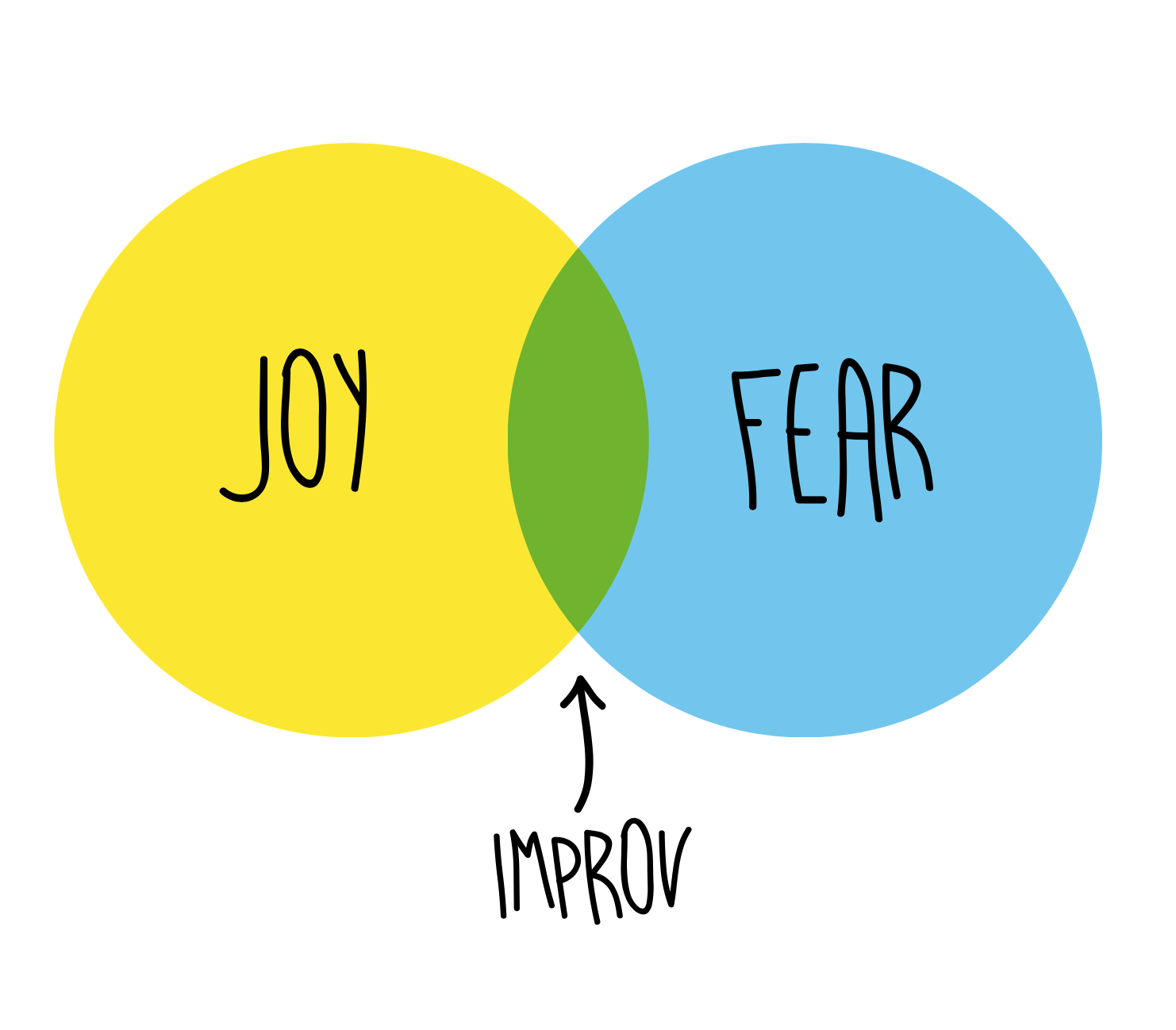
Solution: Avoiding silly, while it seems like what they want, isn’t going to help anyone grow. I’m proposing we go completely the other way. Stretch their comfort zones by going super silly, with potential to fail, but in a way that they fail together, and feel safe from judgement. That’s the key. And that’s the “Yes and!” of improv!
#2: They’re busy.
If it’s during the day, they’re busy with work. They might like the idea of fun, but if the deadlines stay the same, that “fun” is just gonna feel like another thing crammed into their already busy schedule.
If it’s during the evening, they’re busy with life. They’ve families, and friends, chores, health issues, and a whole world outside of work that let’s be honest, probably still requires them to work.
Solution: Keep it short and sweet. Have the event come to you. No prep needed. Just walk down the hall, join the improv workshop, have fun for an hour, then back to work feeling refreshed. And better for it. Because one thing that can help them overcome Reason #1 and #2 is that the activity will help them. Which brings us to…
#3: They don’t see the value in it.
People want to clearly understand what the activity is, and what they’re going to get out of it. How is this going to help me grow at my job or life? Basically, will doing this and learning this skill help me get better… and therefore make more money?
Or, if they’re not motivated by money (rare, but they exist), will this help make my life easier? Will I feel more at ease working with others? Will this make new ideas come more effortlessly?
If you’re going to get your staff to look past Reasons #1 and #2, then the activity has gotta be something they know for sure will benefit them.
Solution: As always, improv. Most people understand that being good at improvising helps with every interaction you have in life. The ability to adapt to change without panic. To think on your feet. Get good at small talk, better at presenting, thinking more creatively, improv makes you better at everything!
In conclusion, your staff might hate the idea of a team building activity, and we understand that. But it all melts away when, within minutes, they’re all laughing and having fun together without judgement, stretching their comfort zones and learning new skills.
Click here to book your team a workshop they’ll love!